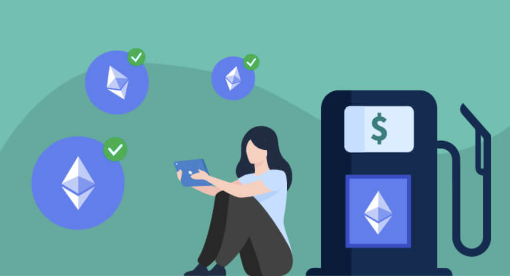
Gas fees on Ethereum serve as a critical mechanism for measuring and compensating the computational resources needed for transactions and smart contract executions. Each operation consumes gas, with its cost fluctuating based on network demand and congestion. This system not only ensures efficient resource allocation but also strengthens network security. Understanding the intricacies of gas fees is essential for users looking to optimize their transactions and minimize costs in this evolving environment.
Understanding Gas and Its Purpose
Gas serves as a fundamental mechanism within the Ethereum network, facilitating the execution of transactions and smart contracts.
It quantifies gas consumption, directly influencing transaction efficiency. Each operation within the network requires a specific gas amount, which is instrumental in prioritizing transactions based on their required computational resources.
This structure ensures a balanced, efficient processing environment, essential for maintaining the integrity of decentralized applications.
See also: How Crypto Whales Influence the Market
Factors Influencing Gas Fees
Several factors significantly influence gas fees on the Ethereum network, impacting the cost of transactions and contract executions.
Network congestion plays a crucial role; as more users compete for block space, fees rise.
Additionally, transaction priority affects gas prices, with users willing to pay higher fees for faster processing.
Together, these elements create a dynamic environment where costs fluctuate based on demand and urgency.
How to Estimate Gas Costs
Estimating gas costs on the Ethereum network requires an understanding of the current gas price and the complexity of the transaction or contract execution.
Users must analyze historical gas price trends alongside their desired transaction speed, as higher speeds generally necessitate increased gas prices.
Strategies to Minimize Gas Fees
While navigating the Ethereum network, users can implement various strategies to minimize gas fees effectively.
Key tactics include gas fee optimization through careful transaction timing, ideally executing transactions during periods of low network congestion.
Additionally, utilizing tools to monitor real-time gas prices can aid users in selecting optimal moments for transactions, thereby significantly reducing costs associated with gas fees while maintaining operational efficiency.
Conclusion
In the intricate dance of Ethereum’s ecosystem, gas fees serve as the lifeblood, coursing through the veins of the network, enabling transactions to pulse with vitality. As miners wield the scalpel of prioritization, users navigate the currents of demand, seeking to balance cost and urgency. Ultimately, understanding and managing these fees is akin to mastering a complex instrument, where precision and strategy harmonize to unlock the full potential of decentralized finance, promoting both efficiency and security.