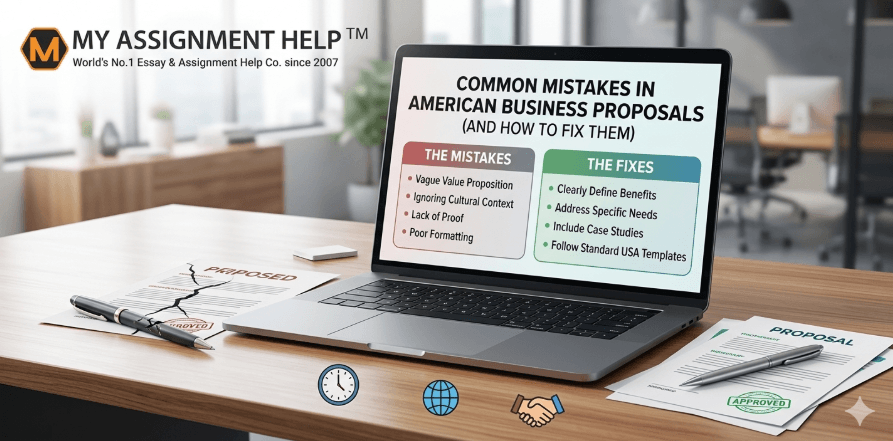
In the hyper-competitive US corporate landscape, a business proposal is often the only thing standing between a “yes” and a cold trail. Whether you are bidding for a federal contract in D.C. or pitching a SaaS solution to a venture capital firm in Silicon Valley, the stakes are incredibly high. According to recent industry benchmarks, the average win rate for proposals across B2B sectors hovers around 45%; however, companies that avoid structural and rhetorical pitfalls see significantly higher conversion rates.
The American business culture values efficiency, data-backed claims, and a clear “What’s In It For Me” (WIIFM) approach. Unfortunately, many professionals rely on outdated templates or overly academic language that fails to resonate with busy decision-makers. Misunderstanding the nuances of US procurement or commercial expectations can lead to your proposal being sidelined before it’s even fully read.
Navigating these complexities requires a blend of strategic insight and technical precision. Many organizations now turn to professional business proposal writing services to ensure their documents meet the rigorous E-E-A-T (Experience, Expertise, Authoritativeness, and Trustworthiness) standards required to win high-value accounts. By leveraging expert writers, businesses can ensure their narrative is not only persuasive but also compliant with regional formatting and legal expectations.
1. Lack of Executive Summary Impact
The most common mistake is treating the Executive Summary like an introduction. In the US, C-suite executives often read only this section before deciding to delegate the rest of the review.
- The Mistake: Writing a chronological history of your company.
- The Fix: Focus on the “Problem-Solution-Result” framework. Lead with the client’s pain point and lead into your unique value proposition (UVP).
2. Ignoring the “Power of Three” in Data Visualization
American reviewers are bombarded with data. Presenting “walls of text” or raw spreadsheets is a surefire way to lose engagement.
- The Mistake: Including data without context.
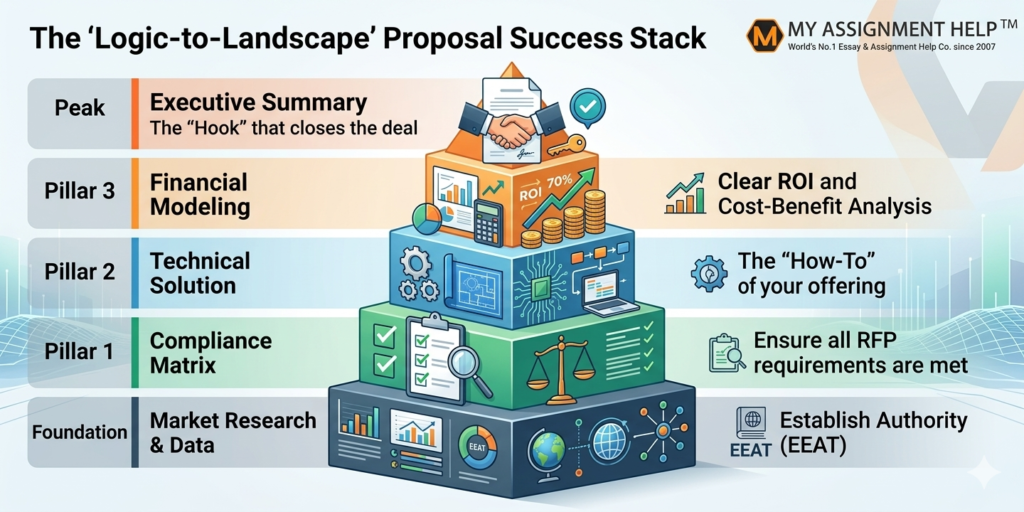
- The Fix: Use the “Logic-to-Landscape” approach. Every chart should answer: What is the trend? Why does it matter? What should we do next?
3. Cultural Misalignment in Tone and Language
While “global” English is common, American business communication is distinctively direct. Overly formal or “fluffy” prose used in other regions can be perceived as a lack of confidence or a waste of time in a US context.
- The Mistake: Using passive voice and “we hope to” phrasing.
- The Fix: Use active voice and assertive verbs (e.g., “We will deliver,” “Our strategy reduces costs by 15%”).
4. Poor Internal Linking and Resource Navigation
For digital proposals (PDFs or Portals), failure to provide easy access to supporting evidence or supplementary help can frustrate a reviewer. If you are a student or a budding entrepreneur juggling multiple projects, it is easy to let the quality of your supporting documents slip. In such cases, many find it helpful to make my assignment easier by outsourcing the heavy lifting of research and formatting to specialized academic and professional hubs.
5. Failure to Address Risk and Mitigation
US stakeholders are risk-averse. If your proposal sounds “too good to be true” without acknowledging potential hurdles, it loses credibility.
- The Mistake: Glossing over potential implementation challenges.
- The Fix: Include a Risk Mitigation Table. This demonstrates transparency and high “Trustworthiness” (the ‘T’ in EEAT).
6. Neglecting the Call to Action (CTA)
A proposal without a clear next step is just an essay.
- The Mistake: Ending with “Thank you for your time.”
- The Fix: Provide a clear timeline for the next 30 days and a “Click to Approve” or “Schedule a Follow-up” link.
Key Takeaways
- Be Direct: Front-load your value proposition in the Executive Summary.
- Be Data-Driven: Use infographics and “Skill-to-Salary” or “Cost-to-Benefit” bridges to prove your point.
- Be Compliant: Ensure your formatting aligns with US-specific RFP (Request for Proposal) standards.
- Focus on EEAT: Use authoritative citations and professional biographies to build trust.
See also: How to Improve Business Efficiency
FAQ Section
Q: How long should a standard US business proposal be?
A: For most mid-market deals, 10–20 pages is standard. However, federal bids can exceed 50 pages, while “lean” startup pitches should be under 10.
Q: Should I include pricing at the beginning or the end?
A: In the US, pricing usually follows the technical solution. You must build the value before showing the cost.
Q: Is it okay to use AI to write my proposal?
A: While AI can help with outlining, “AI-only” content often lacks the E-E-A-T and nuanced tone needed for American B2B relationships. Always have a senior strategist review and humanize the content.
Author Biography
James Sullivan is a Senior Content Strategist at MyAssignmentHelp. With over 12 years of experience in technical writing and SEO-driven business communication, James has helped hundreds of US-based startups and students master the art of persuasive documentation. He specializes in the E-E-A-T framework and holds a Master’s in Corporate Communication from NYU.
References
- Association of Proposal Management Professionals (APMP) – “2025 Global Bidding Trends.”
- Harvard Business Review – “The Psychology of the Persuasive Pitch.”
- U.S. Small Business Administration (SBA) – “Writing a Business Plan and Proposal Guide